
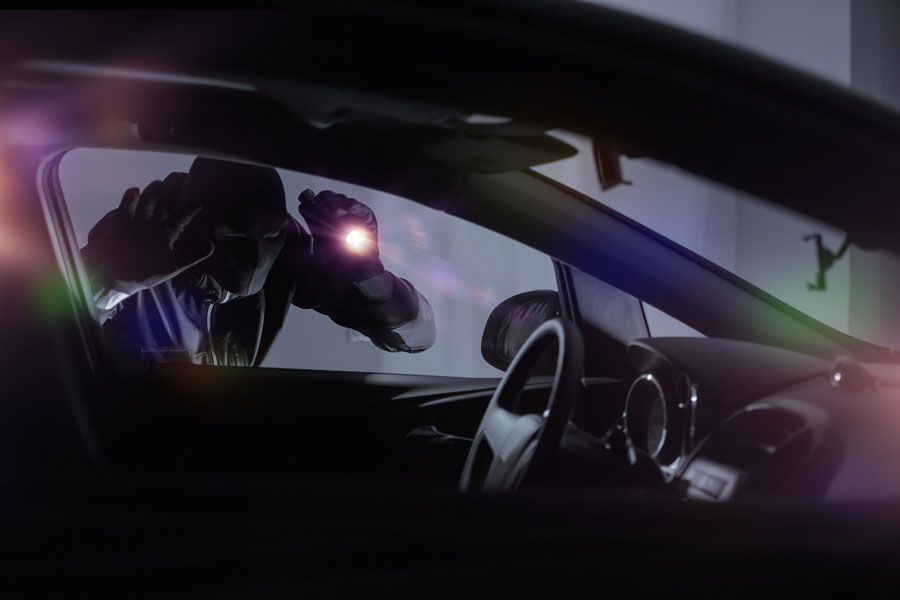
PALM BEACH, FL – As technology continues to take root in automobiles, a new and unexpected problem has been slowly emerging, and it’s one that most people probably would never have expected: cyber threats, with new-age crooks actually able to hack their way into cars in order to tamper with and even steal them.
The European Union Agency for Law Enforcement Cooperation (Europol) recently busted up a hacking organization that specialized in hacking vehicles with keyless entry and startup systems.
The incident resulted in 31 arrests and over $1 million in assets seized, but it also highlighted the new vulnerabilities that today’s car systems possess at the hands of tech-savvy hoodlums, according to a Europol statement.
The criminals targeted vehicles with keyless entry and start systems, exploiting the technology to get into the car and drive away,” they said. “A fraudulent tool, marketed as an automotive diagnostic solution, was used to replace the original software of the vehicles, allowing the doors to be opened and the ignition to be started without the actual key fob.”
While the standard method of car theft – involving stealing a key or hotwiring an ignition – is still considered difficult, keyless cars are presenting an easier target in many regards, experts say. But car theft isn’t the only danger posed as vehicles edge closer and closer to becoming computers with wheels, as hackers have also been shown to have the ability to interfere with the functions of a car remotely in the right circumstances.
For example, in 2015 security researchers staged a demonstration where they were able to hack into a Jeep and remotely shut off the engine while it was driving along a highway. And as technology becomes more and more a part of modern vehicle development – along with the fact that government regulations have yet to sufficiently catch up with tech developments in the automotive industry – experts say that cyber threats against cars aren’t likely to end soon.
However, steps have been taken to address this issue; following the 2015 Jeep hack, the automotive industry has tightened up their security protocols, and last month the National Highway Traffic Safety Administration updated their guidance on vehicle cybersecurity. But despite these efforts, experts say that much more needs to be done in order to combat this rising problem as technology continues to become a larger and larger part of today’s vehicles.

Christopher Boyle is an investigative journalist, videographer, reporter and writer for SEARCHEN NETWORKS® as well as other independent news and media organizations in the United States. Christopher works on a wide variety of topics and fields, has been featured in print and online in a variety of publications, from local to national, and helps keep a keen-eye on what’s happening in the automotive world for Auto Buyers Market.