
SEATTLE, WA – With electric vehicles (EVs) still an emerging science, many aspects regarding their long-term reliability still present lingering questions. While range anxiety – the fear that an electric vehicle will not have enough battery charge to reach its destination, leaving its occupants stranded – has slowly abated as manufacturers develop vehicles with longer and longer range estimates, there’s still a significant amount of the population who worry their brand new EVs will not last as long as their previous internal combustion engine vehicles.
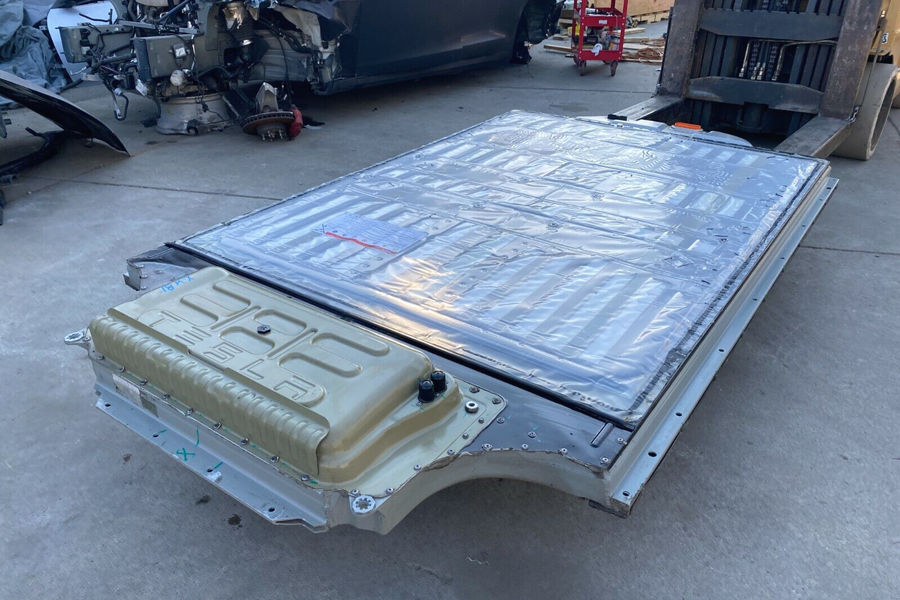
Chief among these concerns are how long EV batteries will last, especially given the fact that an out of warranty replacement could run tens of thousands of dollars for an unfortunate driver. But a new report indicates that overall battery replacement for EVs remains somewhat rare, although some makes and models do encounter this problem more than others, especially amongst older vehicles.
Recurrent Auto conducted a study amongst their community of 15,000 EVs and found that only 1.5 percent of them have required a battery replacement. This number does not include vehicles such as the Hyundai Kona EV and Chevrolet Bolt and Bolt EUV, which experienced recalls for battery issues.
When recalls are taken out of the equation, the vehicles that experienced the need for battery replacement the most were the Nissan Leaf and the Tesla Model S. Experts say it is unsurprising that these two models have experienced this issue, given the fact that they are among the longest-running EV lines on the market and it is only natural that older models would be needing battery replacements at this point.
The models that come in next in terms of frequency of battery replacement include the Jaguar I-Pace, Chevy Volt, Tesla Model X, Audi e-Tron, Tesla Model 3, and Tesla Model Y, although it is reported that the overall number of these vehicles that need new batteries remains quite low.
The report noted that EVs that are 10 years or older run a higher chance of needing battery replacement than newer ones; The 2011 model year has experienced the highest instances of this issue, with 8 percent overall requiring battery replacement when not taking recalls into consideration.
However, those worrying that they will have to save up almost half of their EV’s original sticker price for a potential future battery replacement can rest easy, as the study also noted that the vast majority of battery replacements occur within the EV’s warranty period, which is mandated by federal law to be at least eight years or 100,000 miles.

Christopher Boyle is an investigative journalist, videographer, reporter and writer for SEARCHEN NETWORKS® as well as other independent news and media organizations in the United States. Christopher works on a wide variety of topics and fields, has been featured in print and online in a variety of publications, from local to national, and helps keep a keen-eye on what’s happening in the automotive world for Auto Buyers Market.