
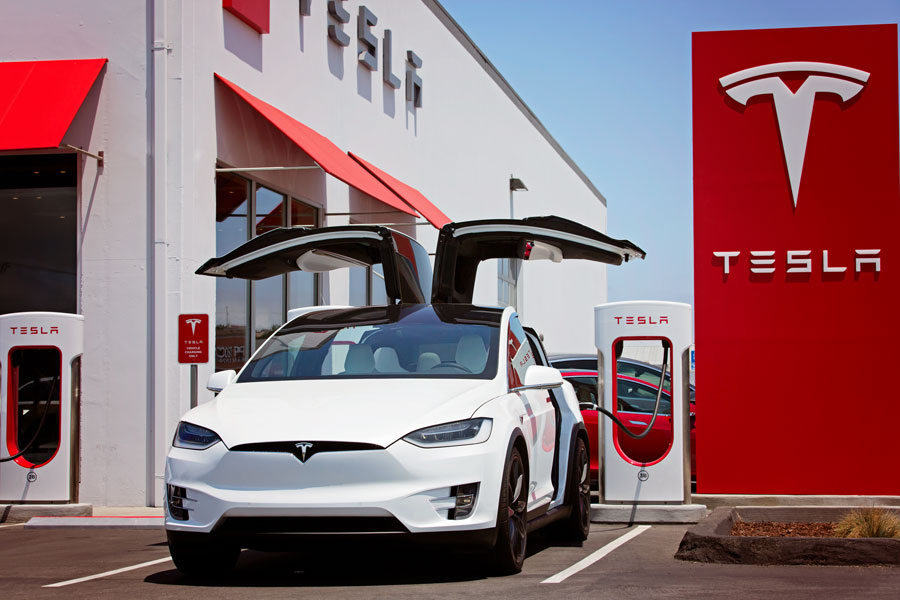
LONDON, UK – According to a report released by Reuters, Tesla has had an ongoing history of installing parts that the electric vehicle manufacturer regarded internally as defective, but yet would nonetheless blame the drivers when the parts eventually failed, even going so far as to charge repair fees for issues that were not their fault.
Reuters noted that the part failures in question have been going on for at least the past seven years amongst all of the vehicles in Tesla’s lineup, as per interviews conducted with nine former employees of the company and over 20 customers.
One of the customers interviewed by the news outlet, Shreyansh Jain, said that he had purchased a 2023 Tesla Model Y in March, only to have the front-right suspension collapse while making a turn the very next day, resulting in a crash; at the time, the odometer only read 115 miles.
After Tesla examined the vehicle, Jain said that he was told that the collapse of his suspension was the result of a lower control arm breaking loose from the steering knuckle; he, understandably, expected Tesla to cover the costs of the repair. However, after nearly 40 hours of labor, Jain was presented with a bill for over $14,000, with Tesla blaming the hapless customer for the fatal suspension failure despite the fact that he had owned the vehicle for less than 24 hours.
Another regular issue that Tesla owners have been forced to deal with over the years, according to Reuters, are control arm failures that have become popularly known as “whompy wheels” amongst internet users.
Frequent failures of several parts installed on Tesla vehicles were regularly blamed by the company on customers allegedly abusing the electric vehicles, Reuters said in their report. This follows interviews conducted by the news service with former Tesla service managers, access to company records, and a letter that the EV manufacturer sent to U.S. National Highway Traffic Safety Administration (NHTSA) in 2020.
Tesla, in some instances, had charged customers whose cars were out of warranty to replace parts that were confirmed internally to either be defective or to have unusually high rates of failure. While Tesla issued a recall in China after similar failures were reported in that country, no such recall was issued in any of the other markets that the company served, including the United States and Europe.
Instead, Reuters noted, Tesla sent out a memo in 2019 to its service centers, instructing them to continue to allege “driver abuse” and to use phrases such as “vehicle misuse” and “hitting a curb or other excessive strong impact” to explain the issues customers were encountering.
Other problems that some Tesla owners have reported encountering include unexpected power steering outages, with one customer interviewed by Reuters saying that their vehicle had “tried to kill me” when their steering unexpectedly gave out, nearly forcing them into a ditch.
Reuters did not include a statement from Tesla on the matter in their report.
Christopher Boyle is an investigative journalist, videographer, reporter and writer for SEARCHEN NETWORKS® as well as other independent news and media organizations in the United States. Christopher works on a wide variety of topics and fields, has been featured in print and online in a variety of publications, from local to national, and helps keep a keen-eye on what’s happening in the automotive world for Auto Buyers Market.