
WASHINGTON, D.C. – Despite increasing global efforts to transition toward electric vehicles (EVs), a significant portion of consumers remains reluctant to make the switch. A recent survey conducted by the AA found that over 20% of drivers state they will never purchase an EV, citing concerns over infrastructure, affordability, and government policies.
One of the primary deterrents for potential EV buyers is the availability and reliability of charging infrastructure. While major urban centers have seen increased investment in charging networks, rural and suburban areas often lack adequate access. This disparity raises concerns about range anxiety, where drivers fear running out of charge with no nearby station available.
The lack of charging stations in my area makes owning an EV impractical,” said a respondent from the survey. “Until there’s a reliable and widespread network, I’m sticking with my gasoline car.”
Another factor influencing hesitancy is the cost of EVs. Although prices have dropped in recent years, electric vehicles still carry a higher upfront cost compared to their gasoline-powered counterparts. Many consumers worry about battery replacement costs and the long-term value of their investment. Even with federal and state incentives, some argue that EVs remain financially out of reach.
Shifting government policies on EVs have also played a role in consumer uncertainty. Some countries have pledged to phase out gasoline and diesel cars by the 2030s, while others have rolled back subsidies or altered regulations. In the U.S., discussions around extending or modifying tax credits for EV buyers have created an unpredictable market environment.
Consumers are also concerned about the environmental impact of EV production. While EVs are promoted as an eco-friendly alternative to traditional vehicles, mining for lithium, cobalt, and other battery materials raises ethical and environmental questions. Critics argue that a more sustainable approach to production and recycling needs to be developed before mass adoption can be widely embraced.
Despite record EV sales in 2024, industry experts note that the rate of adoption is slowing. Automakers that aggressively pushed EV models are now reassessing production strategies, with some companies adjusting their EV targets due to weaker-than-expected demand.
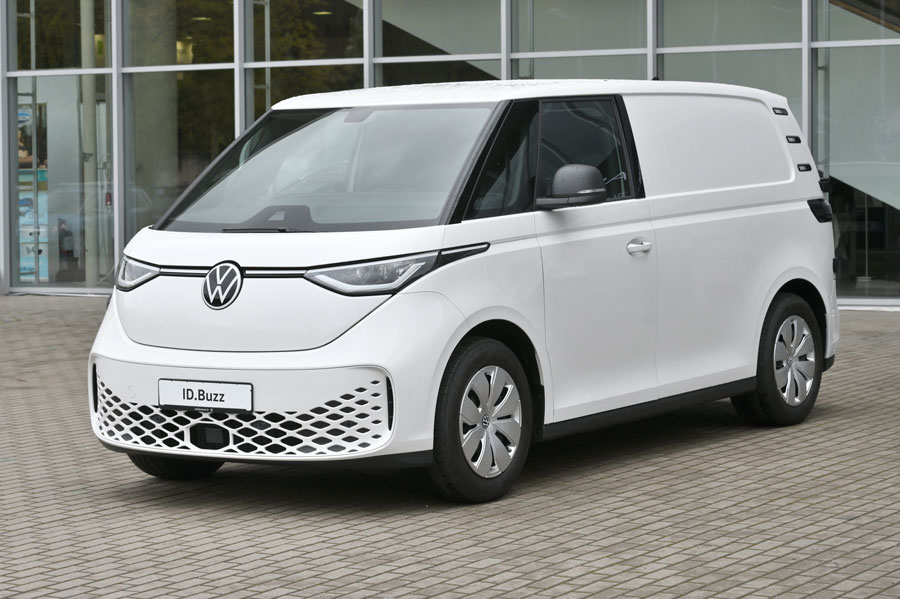
Volkswagen recently introduced the ID. Buzz, an all-electric minivan designed to appeal to families and nostalgic consumers. However, even with innovative designs and improvements in battery range, the reluctance from a portion of the market remains a challenge.
As automakers and policymakers seek solutions to address consumer concerns, a multi-faceted approach is needed to boost confidence in EV adoption. Expanding charging infrastructure, reducing production costs, and providing clearer, long-term incentives could encourage more drivers to make the transition.
While some industry leaders believe resistance to EVs will diminish over time, the current hesitancy signals that the road to full electrification may take longer than initially anticipated. Until these concerns are adequately addressed, a significant portion of consumers will likely continue to opt for traditional gasoline-powered vehicles.

Christopher Boyle is an investigative journalist, videographer, reporter and writer for SEARCHEN NETWORKS® as well as other independent news and media organizations in the United States. Christopher works on a wide variety of topics and fields, has been featured in print and online in a variety of publications, from local to national, and helps keep a keen-eye on what’s happening in the automotive world for Auto Buyers Market.