
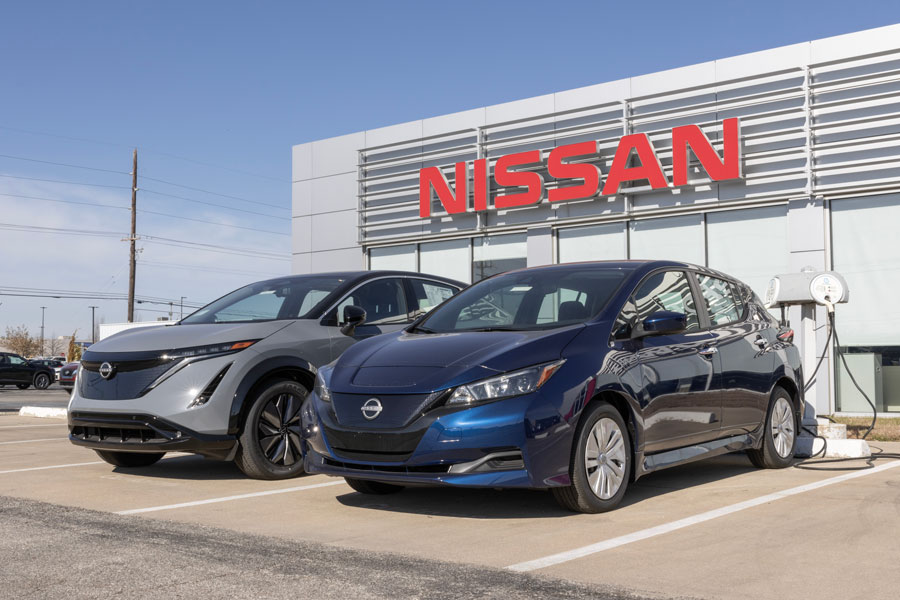
FRANKLIN, TN – Japanese automakers Honda and Nissan announced that they will be holding formal talks over the course of the next six months to potentially merge the two companies. A third Japanese company, Mitsubishi – which is already in alliance with Nissan – will also be participating in the talks, and if the merger comes to pass, the new entity will be the third largest automaker in the world, behind only Toyota and Volkswagen.
The reasoning for the merger plans is to give the companies the combined resources to combat the growing threat posted to their market share by Chinese carmakers, who have been growing in prominence in recent years.
The automotive industry’s continuing shift from gasoline-powered cars and trucks to electric vehicles (EVs) has presented automakers with a series of hurdles and increasing costs, and China’s foray into that segment of the market – with a series of models offered at competitive and very low prices – has put increasing pressure on other companies around the world.
China has already surpassed car companies in the west in this regard, and are quickly gaining ground on the Japanese; this merger, according to Nissan CEO Makoto Uchida, would allow the new company a means to combat the intense competition the Chinese are offering.
Today marks a pivotal moment,” Uchida said in a statement. “Together, we can create a unique way for (customers) to enjoy cars that neither company could achieve alone.”
Nissan has faced financial hardship in recent years and experts say the automotive manufacturer is in dire need of a merger partner; with a large amount of debt soon coming due, analysts say that Nissan may otherwise be forced to declare bankruptcy in 2026.
Morgan Stanley auto analyst Adam Jonas noted that if the Nissan/Mitsubishi/Honda merger is successful, it could lead to further mergers among car companies in the future.
Legacy auto companies that don’t find new partners must face the prospect of being smaller companies with higher capital expenditures, and research and development costs per every vehicle sold,” he said. “Moreover, amidst a potentially broader consolidation era, the ones who chose not to participate effectively ‘get smaller.’ We’re entering a new phase of the auto industry where the strategies for scale and cost leadership put the focus on cooperation and potential changes in scope.”

Christopher Boyle is an investigative journalist, videographer, reporter and writer for SEARCHEN NETWORKS® as well as other independent news and media organizations in the United States. Christopher works on a wide variety of topics and fields, has been featured in print and online in a variety of publications, from local to national, and helps keep a keen-eye on what’s happening in the automotive world for Auto Buyers Market.