
NEW YORK, NY – It takes more than simply size to choose the proper tires for your SUV. The performance, safety, and comfort of your car are significantly impacted by the tires you select. It’s crucial to choose tires that complement your driving style and the situations around you, considering the range of terrains and weather conditions SUVs encounter. No matter where your travels take you, this in-depth guide will lead you through the important variables to take into account when selecting the best SUV tires, ensuring you make an informed choice that improves your driving experience.
Understanding the Basics: Types of SUV Tires
Before diving into specific factors, it’s essential to understand the different types of SUV tires available. Each type is designed with specific driving conditions in mind, so knowing which one suits your needs is the first step in making the right choice.
All-Season Tires
- Ideal For: Moderate weather, daily driving, and general purpose use.
- Features: All-season tires are made to function effectively in a range of weather situations, such as light snow, rain, and dry conditions. They are perfect for drivers who experience a variety of weather conditions but don’t frequently encounter severe ones since they provide a well-balanced combination of handling, comfort, and durability.
All-Terrain Tires
- Ideal For: Motorists who alternate between paved and off-road routes.
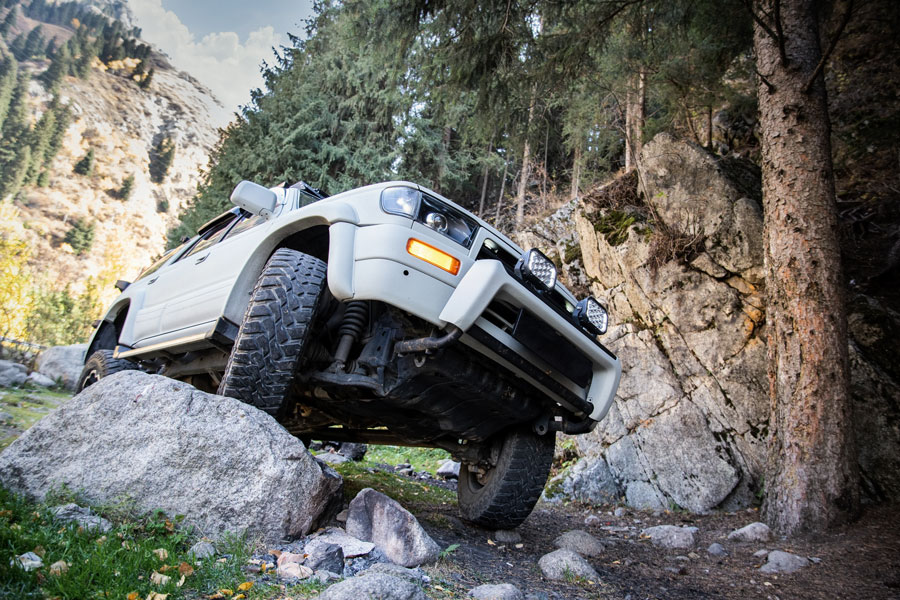
- Features: Made to tackle both highway driving and off-road obstacles like gravel, mud, and sand, all-terrain (A/T) tires are tough and adaptable. Compared to all-season tires, they usually have a more aggressive tread design, which provides superior grip on unpaved areas while still providing respectable on-road comfort.
Mud-Terrain Tires
- Best For: Off-road enthusiasts who frequently tackle challenging terrains.
- Features: Mud-terrain (M/T) tires are built for extreme off-road conditions. They have deep, aggressive treads that provide superior grip in mud, sand, and rocks. However, they can be noisy and less comfortable on highways, with reduced fuel efficiency compared to all-terrain or all-season tires.
Winter Tires
- Best For: Drivers in regions with severe winter conditions, including heavy snow and ice.
- Features: Winter tires are engineered with specialized rubber compounds and tread designs to maintain flexibility and grip in freezing temperatures. They offer unmatched traction in snow, slush, and icy conditions, providing a level of safety that all-season tires cannot match in harsh winter weather.
Highway Tires
- Best For: Predominantly on-road driving, long-distance travel, and towing.
- Features: Highway tires are designed for smooth, quiet rides on paved roads. They prioritize fuel efficiency, low road noise, and tread life, making them ideal for SUVs used mainly for commuting, road trips, and light-duty towing.
Factors to Consider When Choosing SUV Tires
Now that you’re familiar with the types of SUV tires available, let’s explore the key factors you should consider when selecting the right tires for your vehicle. Each factor plays a significant role in ensuring your tires meet your driving needs and enhance your SUV’s performance.
Driving Environment
Think about the places you drive most of the time. Are you primarily riding on off-road trails, city streets, or highways? Your tire selection should be strongly influenced by your primary driving area. For instance, mud-terrain or off road tires are a better fit if you regularly travel off-road than highway or all-season tires. Conversely, all-season or highway tires are probably your best option if you drive mostly in urban or suburban regions.
Weather Conditions
Weather is a crucial factor in tire selection. All-season tires are a popular choice because they handle a range of conditions fairly well, but they may not provide the best performance in extreme weather. If you live in an area with harsh winters, investing in a set of winter tires for the colder months is wise. For those in milder climates or regions with significant seasonal changes, all-season tires paired with good tire maintenance may suffice.
Tread Design and Pattern
Tread design directly affects your vehicle’s grip, handling, and overall performance. Tires with larger, more aggressive treads (like all-terrain and mud-terrain tires) offer better traction on loose surfaces but may produce more noise and have lower fuel efficiency. Conversely, tires with a less aggressive tread pattern, such as all-season or highway tires, provide a smoother, quieter ride but may not perform as well in off-road conditions.
Load Capacity and Towing Requirements
You need tires with a higher load capacity if you frequently carry heavy loads in your SUV or use it for towing. The load index of each tire shows the maximum weight that it can support securely. Make sure the tires you select are capable of supporting the weight of your automobile, its occupants, its cargo, and any additional weight that comes from towing. Because highway and all-terrain tires frequently have larger weight capacities, they can be used for carrying and towing.
Comfort and Noise
Your tires have a big impact on how comfortable you are when you drive. On highways, tires with aggressive tread patterns, such as mud-terrain tires, are typically noisier and less pleasant. The best choices are usually highway or all-season tires if you value a quiet and comfortable ride. All-terrain tires can be reasonably comfortable and still have some off-road capabilities for people who need a balance.
Fuel Efficiency
The rolling resistance of tires—the energy needed to keep them moving—can affect how fuel-efficient your car is. Fuel efficiency is higher with tires that have less rolling resistance, including highway and all-season tires. All-terrain or mud-terrain tires have more rolling resistance, but if you drive off-road frequently, the trade-off for improved traction and longevity can be worthwhile.
Longevity and Durability
Consider the expected lifespan of your tires, especially if you drive frequently or over long distances. All-season and highway tires generally offer longer tread life due to their design for on-road use. In contrast, all-terrain and mud-terrain tires may wear out faster, especially if used on paved roads. Check the tire’s warranty and read reviews to gauge its durability.
Budget
Tire prices vary widely based on type, brand, and performance features. While it’s important to find tires within your budget, remember that tires are a crucial safety component of your vehicle. Investing in high-quality tires that match your driving needs can prevent accidents, improve vehicle performance, and potentially save you money in the long run by reducing fuel costs and extending tire life.
How to Make the Final Decision
With these factors in mind, you’re now ready to choose the right tires for your SUV. Follow these steps to make a well-informed decision:
- Examine Your Driving Habits – Examine your usual driving circumstances, such as the roads you use, the distances you cover, and the weather you encounter. This will assist in reducing your tire selections to the ones that best fit your requirements.
- Research Tire Options – Once you have a clear understanding of your requirements, research the different tire types and brands available. Look for reviews, manufacturer specifications, and performance ratings to ensure the tires you’re considering meet your expectations.
- Consult a Professional – If you’re unsure about which tires to choose, consult with a tire professional or your vehicle’s manufacturer. They can provide recommendations based on your vehicle model, driving habits, and budget.
- Consider Seasonal Tire Replacements – It could be advantageous to use different tires for different seasons depending on where you reside. You may, for instance, use winter tires as the weather gets colder and all-season tires during the warmer months.
- Place Safety and Performance First – Cost is a significant consideration, but don’t sacrifice performance or safety. The handling, stopping, and general safety of your car can all be greatly enhanced by the correct tires, so pick a set that provides the optimum mix of these features for your driving circumstances.
Choosing the proper SUV tires is an important choice that impacts the comfort, safety, and performance of your car. You can improve the quality of your driving experience by choosing tires that are appropriate for your driving conditions, driving environment, weather, and load needs by being aware of the various tire types that are available. With the correct tires, your SUV will be prepared for any task, whether you’re driving on snowy highways, off-road trails, or city commutes. To choose the best tires for your SUV and provide you with confidence and peace of mind while driving, take the time to evaluate your needs, weigh your options, and speak with experts.

Joe Mcdermott is a staff reporter who keeps his eyes peeled for interesting automotive news. He works mainly for our Long Island Guide as well as our IT firm, SEARCHEN NETWORKS®. Mcdermott, one of our first and thus veteran reporters, is also a data analyst for select independent news and media organizations in the United States.