
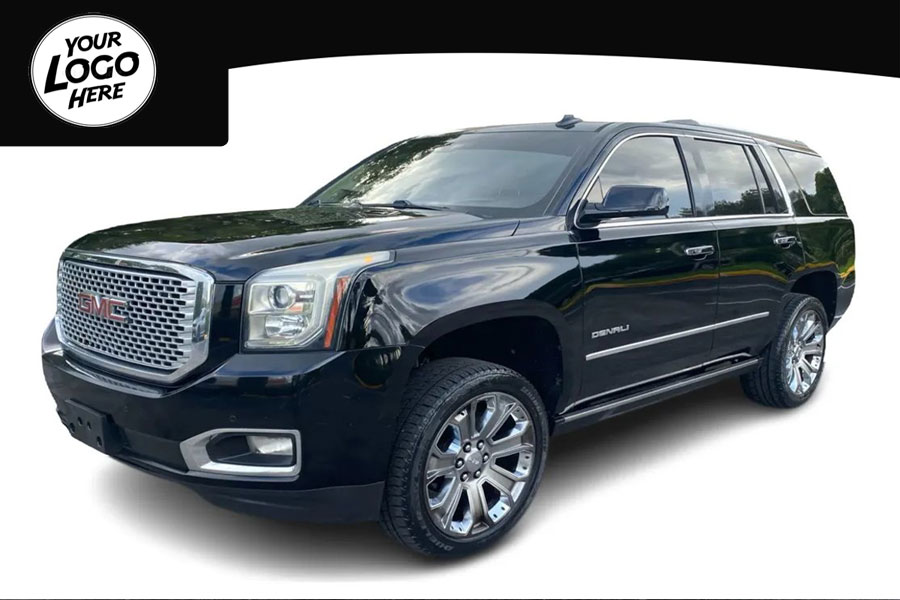
WEST PALM BEACH, FL – In the age of AI-generated visuals, photo filters, and spotless digital showrooms, authenticity may be the most underrated sales tool left in the car business. Dealerships across the country are paying handsomely for companies that “enhance” their vehicle photos — replacing outdoor lots with gleaming studio backgrounds, erasing blemishes, and even altering reflections. But research suggests that this obsession with perfection might actually be hurting your sales, not helping them.
Buyers don’t want to feel like they’re being sold a dream car that doesn’t exist. They want the car that’s really sitting on your lot.
1. Perceived Authenticity and Trust
Decades of marketing psychology make one thing clear: consumers penalize content that feels “overly edited,” “fake,” or manipulated. It’s not just a matter of preference — it’s a matter of trust.
A study published on ScienceDirect found that heavy photo editing in influencer content negatively impacts perceived authenticity. In simpler terms, people can tell when something looks too good to be true, and their guard goes up.
Similarly, research summarized on ResearchGate (“Impact of photo manipulation and visual literacy on consumers’ responses”) notes that while manipulated visuals can attract attention, they simultaneously reduce sincerity. You might get the click — but you lose the credibility.
Another study in Communication Today observed that viewers consistently rate unedited images as more “real and authentic” than their retouched counterparts. Even when companies are transparent about editing — as highlighted in Taylor & Francis Online’s “Illegally Beautiful? The Role of Trust and Persuasion” — the mere admission that something was altered can still reduce consumer trust.
The takeaway? When people suspect deception, no amount of visual polish will fix it. Over-processed photos might make your website look slick, but they can quietly erode the very trust that closes the deal.
2. The Limited Benefits of “Good” Editing
To be fair, not all editing is bad. High-quality, non-deceptive customization can help when done responsibly.
Reports from HomeNet Automotive point out that professional, high-resolution photos (as opposed to stock images or blurry cell-phone shots) lead to better engagement and faster inventory turnover. Clean lighting, sharp focus, and consistent framing all help the buyer imagine themselves behind the wheel.
Even Studio Metrodesk, a photo-retouching firm, admits that while enhancement can make cars look better online, overdoing it crosses a dangerous line. Remove too much realism — the asphalt, the shadows, the subtle imperfections — and you lose the emotional link between “this photo” and “the car I’m about to test-drive.”
Transparency sells. Over-glossing doesn’t.
3. The “Sweet Spot” of Editing
The research suggests there’s a “sweet spot” — an inverted U-curve relationship between editing and effectiveness. A little cleanup helps. Too much makes people distrustful.
The same ScienceDirect study on influencer images showed that moderate editing can increase engagement, but excessive editing backfires fast. In the broader field of visual persuasion, subtle, nearly imperceptible enhancements are safest: fix lighting, balance color, remove distractions — and stop there.
In the automotive world, this means:
- Do remove trash bins and clutter from your lot photos.
- Do standardize brightness and background tones.
- Don’t replace every image with a sterile digital garage that screams “AI-render.”
- Don’t remove real-world context that proves authenticity.
4. What This Means for Dealerships
The practical implications are huge.
Subtle enhancements (like color correction or dust cleanup) can improve presentation without misrepresenting the car. But obvious Photoshop effects — mismatched lighting, missing shadows, fake reflections — can backfire hard.
Customers are savvier than ever. When they see a car floating on a white backdrop that looks more like a catalog render than a driveway, they don’t think, “Wow, nice image!” They think, “What are they hiding?”
If your images look too good to be true, customers assume they probably are.
5. Bottom Line
In marketing, perception is reality — but only when customers believe what they see.
The data doesn’t lie: authenticity drives trust, and trust drives conversions. Overly polished, computer-generated vehicle photos may impress your competitors, but they may also be silently killing your sales.
So before you sign another contract for “AI-enhanced” car images, ask yourself: are you selling the car, or are you selling the illusion of one?
Because in today’s digital marketplace, real still sells better than perfect.

Joe Mcdermott is a staff reporter who keeps his eyes peeled for interesting automotive news. He works mainly for our Long Island Guide as well as our IT firm, SEARCHEN NETWORKS®. Mcdermott, one of our first and thus veteran reporters, is also a data analyst for select independent news and media organizations in the United States.